DPN · National Parks Directorate
UNESCO · World Heritage Site & Biosphere Reserve

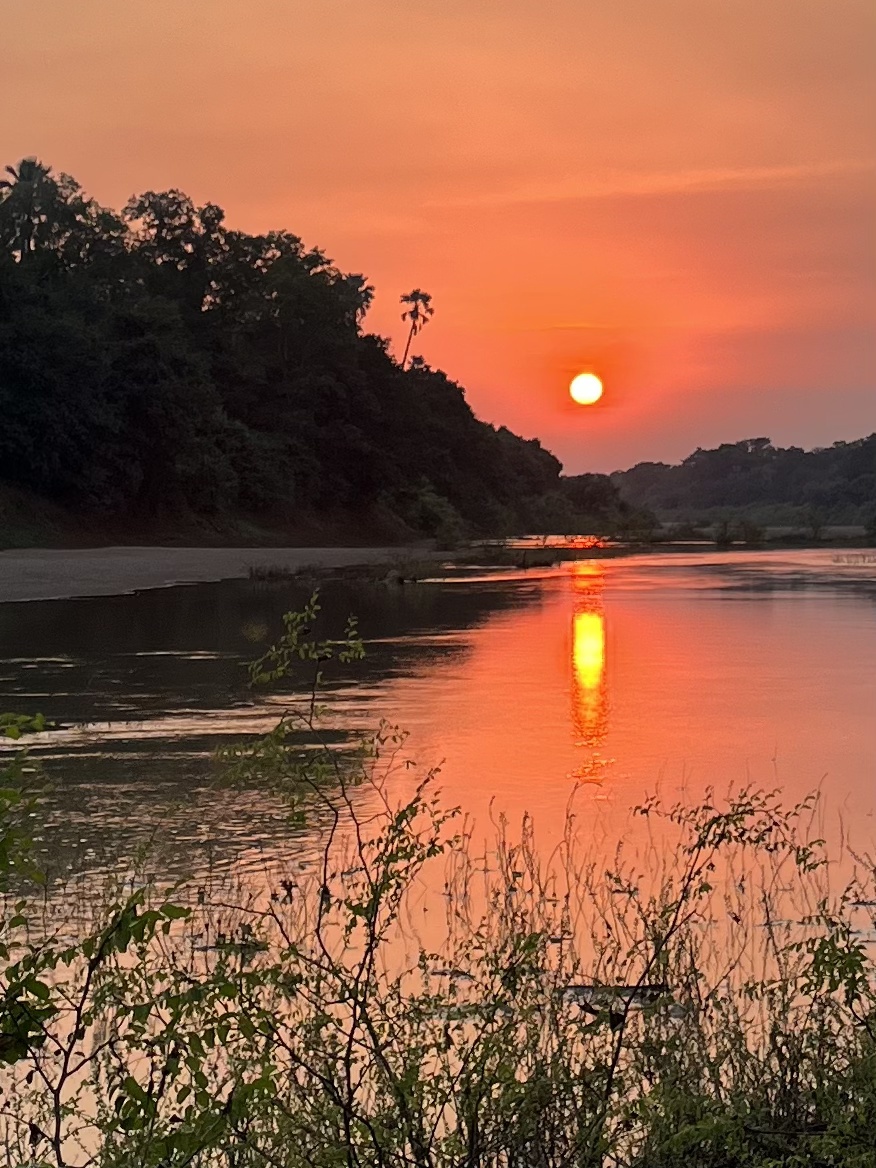
Niokolo‑Koba at the heart of West African savanna

913,000 hectares of wildlife, gallery forests and river in the heart of eastern Senegal. A natural gem managed by the National Parks Directorate.

Niokolo-Koba, a wildlife sanctuary
UNESCO World Heritage Listed 1981 · Removed from Danger List 2025
The National Park

Niokolo-Koba, a sanctuary of wildlife

Niokolo-Koba National Park (PNNK) spans 913,000 hectares in south-eastern Senegal, straddling the regions of Tambacounda, Kédougou and Kolda. Officially established in 1954, it has been inscribed as a UNESCO World Heritage Site since 1981.

Located in a transition zone between Sudanian and Guinean savanna, the park harbours exceptional biodiversity: more than 80 mammal species, 330 bird species, 36 reptiles and over 1,500 plant species. The Gambia River and its gallery forests form the backbone of this unique ecosystem.

Managed by the National Parks Directorate (DPN) under the Ministry of the Environment, the park has benefited from intensified conservation efforts in recent years. These efforts led to its removal from the World Heritage in Danger List in 2025, an international recognition of the restoration achieved.

Access is exclusively via Dar Salam, with an official DPN-accredited guide - essential for safety, quality experience and park preservation.

7 Priority Conservation Species - DPN
Panthera leo leo Lycaon pictus Panthera pardus Taurotragus derbianus Loxodonta africana Syncerus caffer Pan troglodytes verus

National Parks Directorate of Senegal (DPN)

The PNNK is managed by the State of Senegal through the National Parks Directorate (DPN), under the Ministry of the Environment. Only the DPN is authorised to set rules, fees and issue permits. This website is a personal journal and does not replace official information. For up-to-date information, consult the DPN directly.
Prepare my visit
Practical information

Prepare my visit

Senegalese visitor 3 000 FCFA / person / day
Foreign visitor 5 000 FCFA / person / day
Vehicle fee 10 000 FCFA / entry
Guide (mandatory) 10 000 FCFA / day
Photography (national) 100 000 FCFA (professional)
Film (foreign) 975 000 FCFA (professional)

Bring cash (FCFA) - electronic payment is not always available. Annual passes: 50,000 FCFA (national) / 150,000 FCFA (foreign). DPN 2025 fees, subject to change.

Jan 9/10 35° / 15°C Ideal - Wildlife at waterholes
Feb 9/10 36° / 17°C Ideal - Peak wildlife viewing
Mar 8/10 39° / 22°C Very good - Rising heat
Avr 8/10 41° / 25°C Very good - Intense heat
Mai 7/10 42° / 27°C Good - Animals at water sources
Juin 5/10 38° / 25°C Average - First rains
Jul 2/10 34° / 24°C Difficult - Park often closed
Aug 1/10 32° / 23°C Closed - Heavy rains
Sep 3/10 33° / 22°C Difficult - End of rains
Oct 4/10 34° / 22°C Mixed - Partial access
Nov 6/10 35° / 20°C Decent - Tall grass
Dec 7/10 34° / 18°C Good period - Low grass
Note /10 : 9–10 Excellent 7–8 Very good 5–6 Average 3–4 Difficult 1–2 Closed

Subjective ratings based on personal experience. The peak season (Jan–Apr) offers the best wildlife viewing conditions.

From Dakar

  • Route via Touba → Tambacounda → Dar Salam: ≈596 km, 8h30. Excellent road, recommended.
  • Alternative via Kaolack → N7: busier (Mali trucks), slightly slower.
  • Tolls: ≈5,000 FCFA (Dakar–Kaolack).
  • By bus (Dem Dikk / Salam Transport): Dakar–Tambacounda for 10,000 FCFA (7–7h30). Arrange a vehicle at arrival.

Inside the park

  • A vehicle is mandatory to drive in the park. Rental available in Tambacounda through the guides' association.
  • Dry season: a raised car is sufficient on most tracks. A 4×4 is still recommended.
  • For Assirik or Mansafara: a 4×4 and experienced driver are essential.
  • Always check track conditions before heading out - even in dry season.
  • Entry through the Dar Salam checkpoint (sole tourist entrance).

Journey times within the park

  • Dar Salam → Campement du Lion: 1h to 1h30
  • Dar Salam → NiokoLodge: about 1h
  • Campement du Lion → NiokoLodge: about 1h30
  • Dar Salam → Kédougou : 2h
  • Dar Salam → Salémata : 3h20

Practical tips

  • Fill up on fuel in Tambacounda - no petrol station inside the park.
  • Bring water, food and a first-aid kit.
  • Cash in FCFA for all payments inside the park.
  • Ideally plan 3 to 4 days minimum to enjoy the park fully.
  • Early morning and late afternoon departures offer the best wildlife sightings.

Essential rules

  • 🦁 I follow guide and DPN instructions at all times.
  • 📏 I keep a minimum distance of 30 metres from wildlife.
  • 🛤️ I stay on authorised tracks - no off-road driving.
  • 🚗 I drive at 30 km/h maximum to avoid disturbing wildlife.
  • 🚫 I never feed the animals, even with leftover food.
  • 🌿 I take all rubbish with me - nothing left in the park.
  • 🔥 No fires or wild camping - camping only at official sites.
  • 🚁 Drones prohibited without official DPN authorisation.
  • 🐾 I never separate animal groups or mothers from their young.

Observe with respect

  • 🤫 I stay silent during drives to avoid disturbing the animals.
  • 🌅 I prioritise the early morning hours and late afternoon.
  • 🔭 I appreciate all biodiversity, not just the large animals.
  • 📷 I yield space to other visitors after my sightings or photos.
  • 📢 I share my sightings with guides or the DPN.
  • 🌱 I take no plants, insects or minerals from the park.
  • 👁️ I report disrespectful behaviour to my guide or the DPN.
  • ⏰ I take time to observe the animals' natural behaviour.
  • 💚 My behaviour can inspire others to respect wildlife.
Park behaviour rules
Interactive Map

Tracks, camps & viewpoints

Map of Niokolo-Koba National Park with tracks, camps and wildlife viewpoints. Enhanced OpenStreetMap data - use with caution in the field.

Main park tracks
Camps & accommodation
Viewpoints & lookouts
RouteApproximate duration
Dakar → Dar Salam (park entrance)About 8h
Dar Salam → Campement du Lion1h to 1h30
Dar Salam → NiokoLodgeAbout 1h
Campement du Lion → NiokoLodgeAbout 1h30
Dar Salam → Kédougou2h
Dar Salam → Salémata3h20
Biodiversity

What can you see?

Explore the park's rich wildlife: mammals, birds and other species. Click on a species for more information.
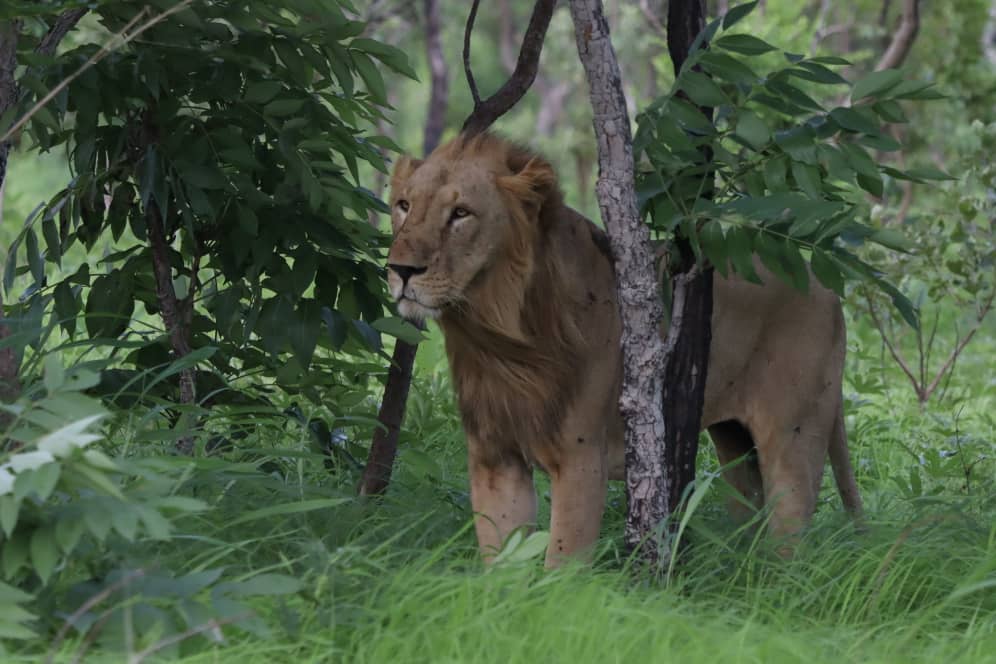
West African Lion
West African Lion Panthera leo leo Critically Endangered
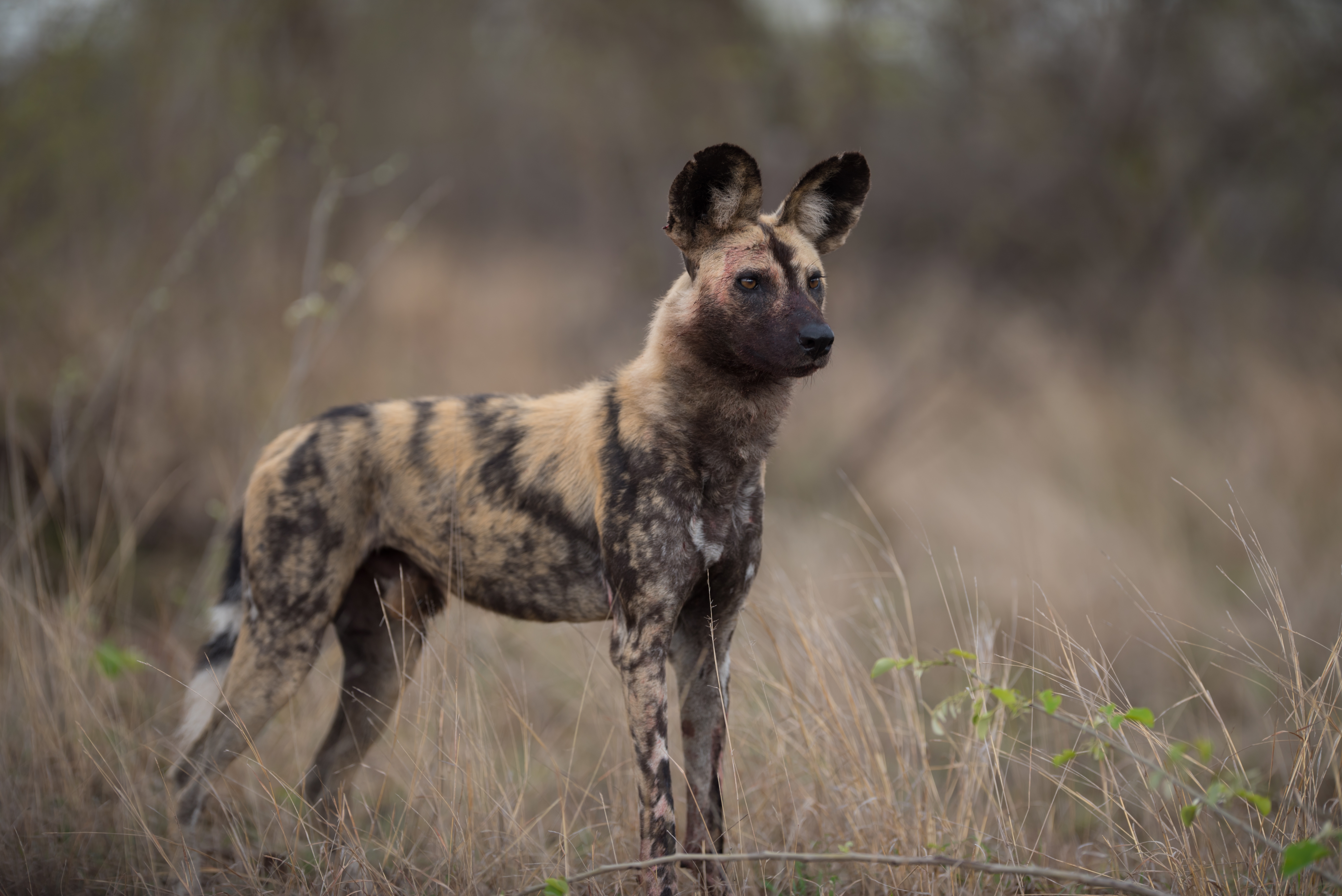
Lycaon
Lycaon Lycaon pictus Critically Endangered
Éland de Derby Taurotragus derbianus Critically Endangered
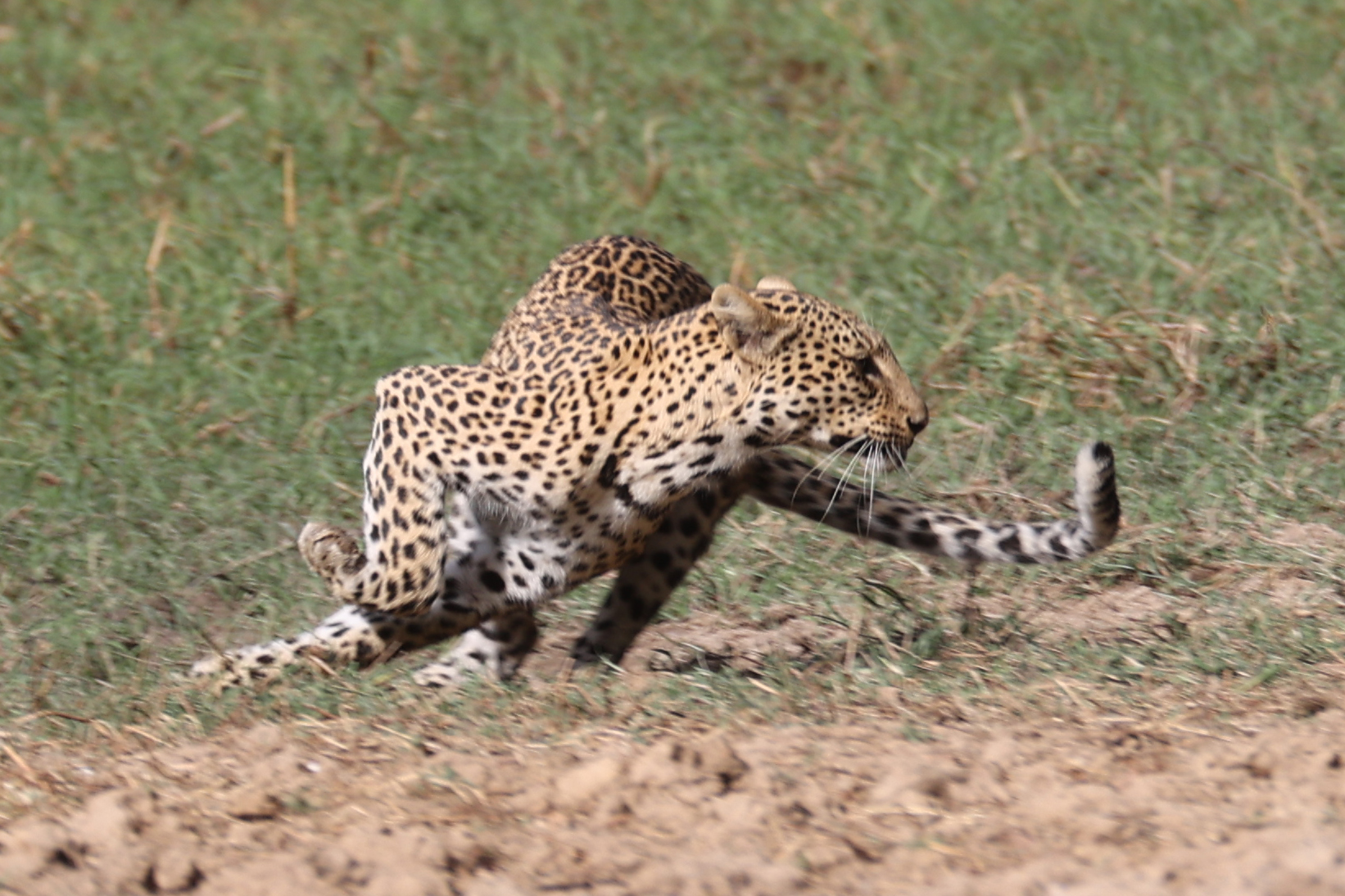
Léopard
Léopard Panthera pardus Vulnerable
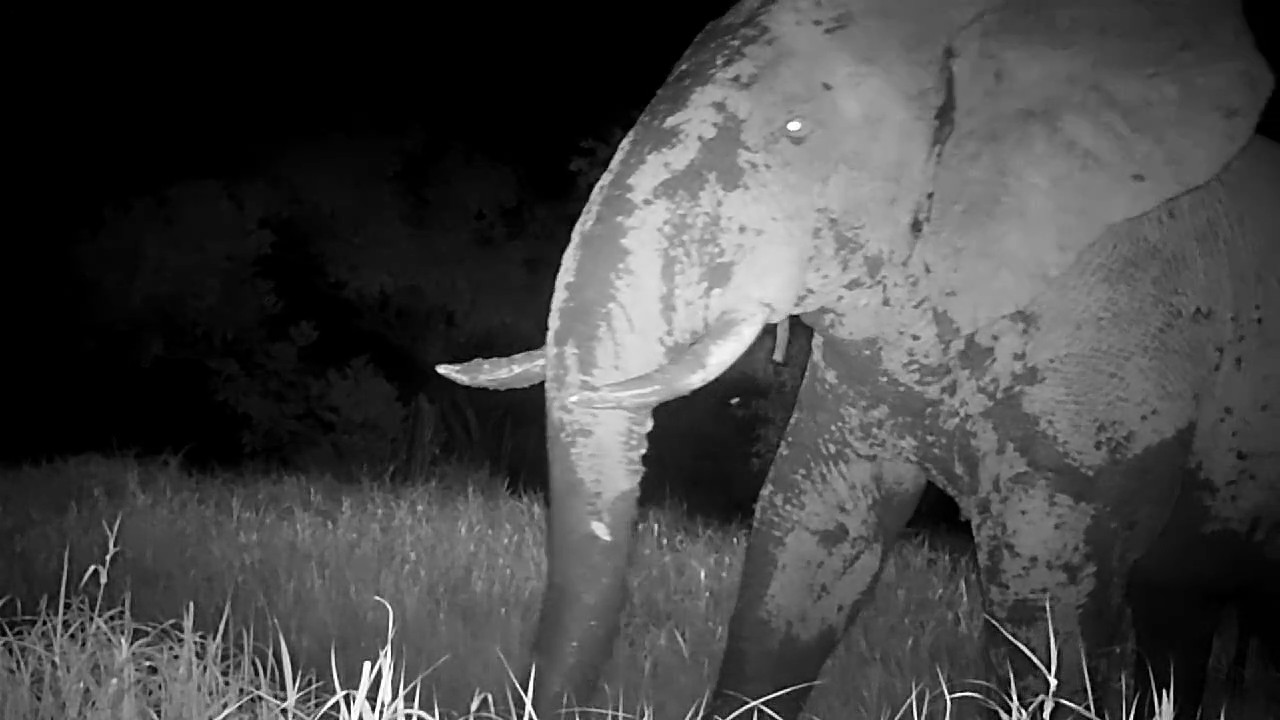
Éléphant
Éléphant d'Afrique Loxodonta africana Endangered
Western Chimpanzee Pan troglodytes verus Endangered
African Buffalo Syncerus caffer Vulnerable
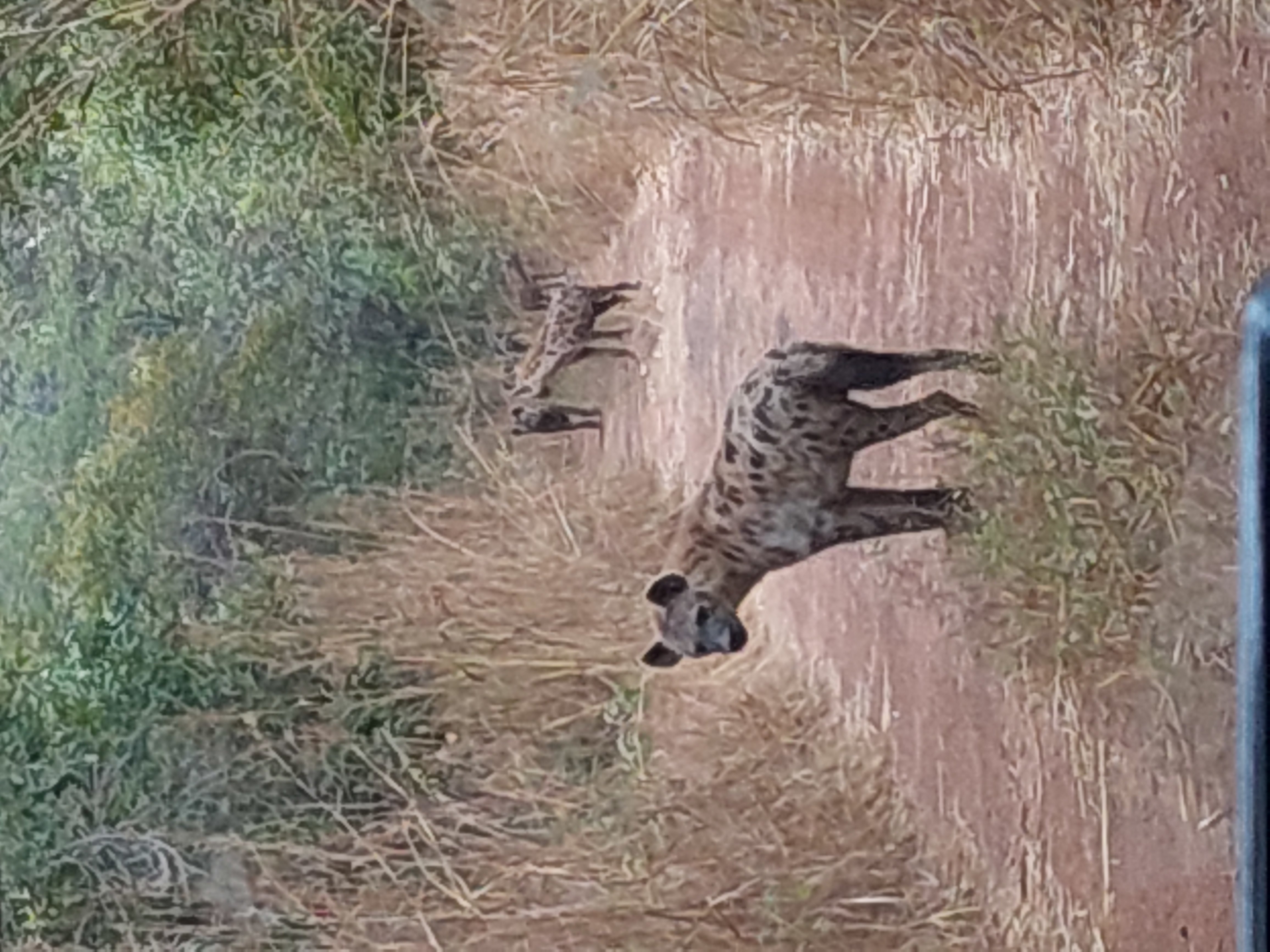
Spotted hyena
Spotted Hyena Crocuta crocuta Least Concern
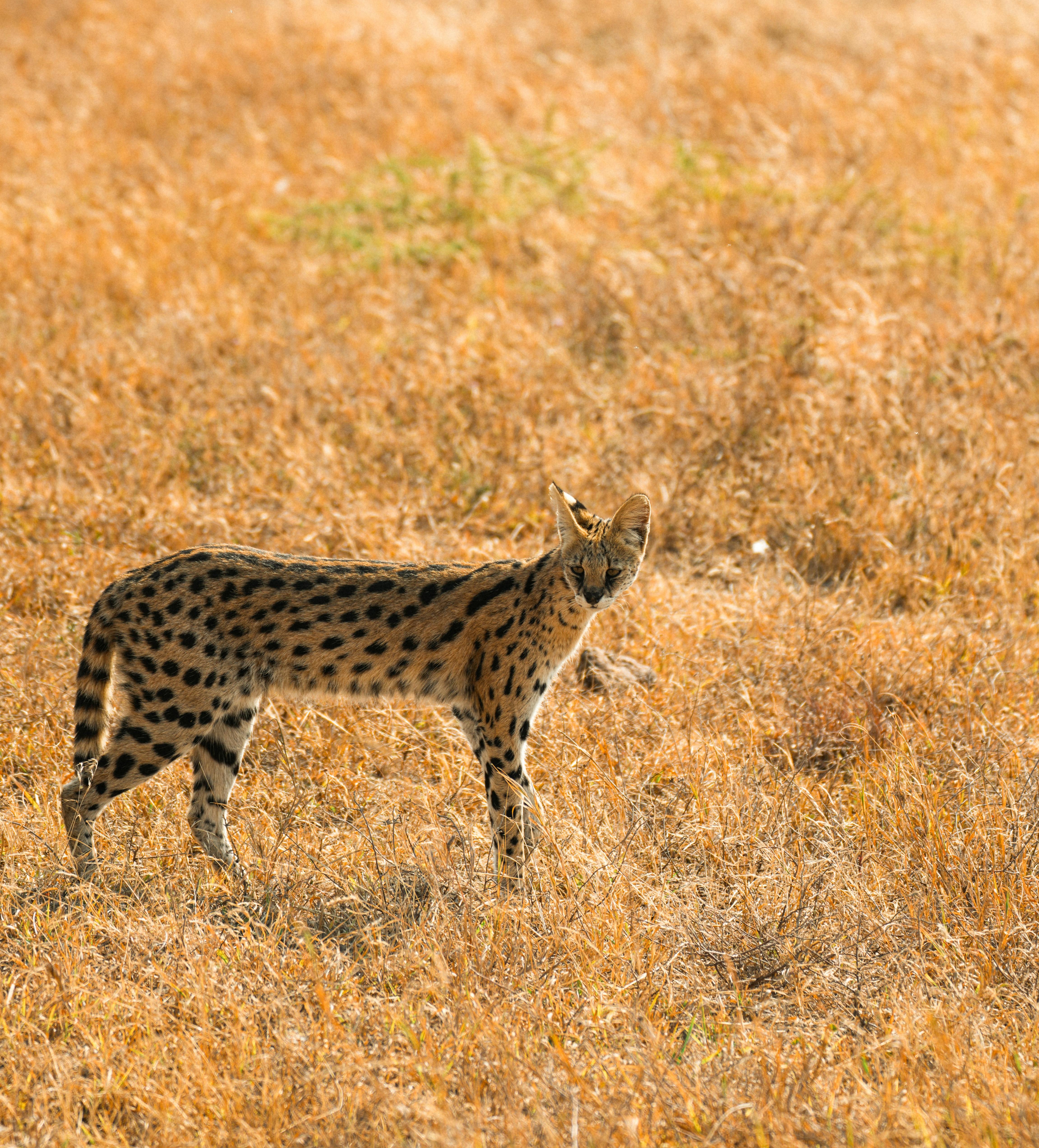
Serval
Serval Leptailurus serval Least Concern
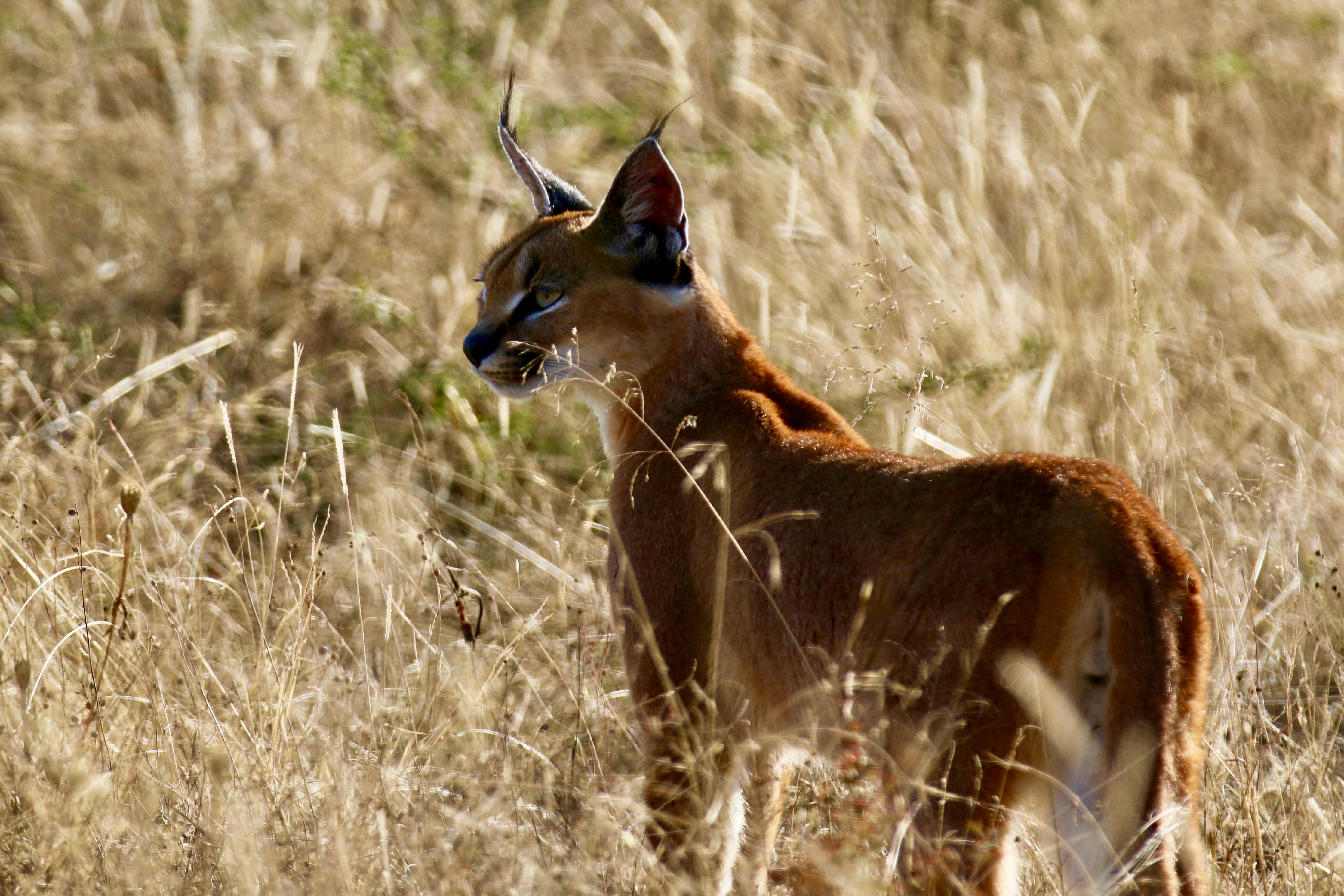
Caracal
Caracal Caracal caracal Least Concern
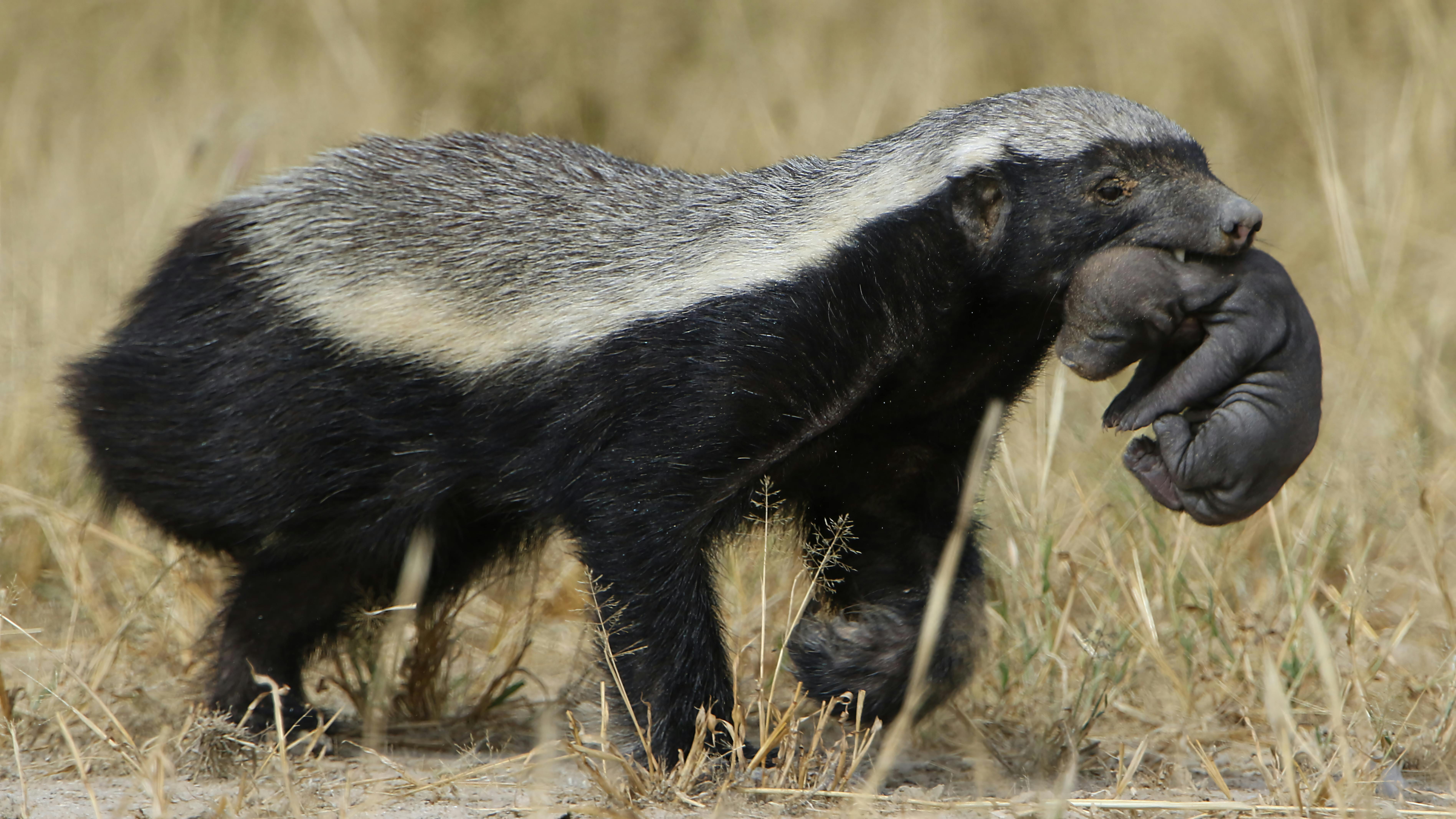
Ratel
Honey Badger Mellivora capensis Least Concern
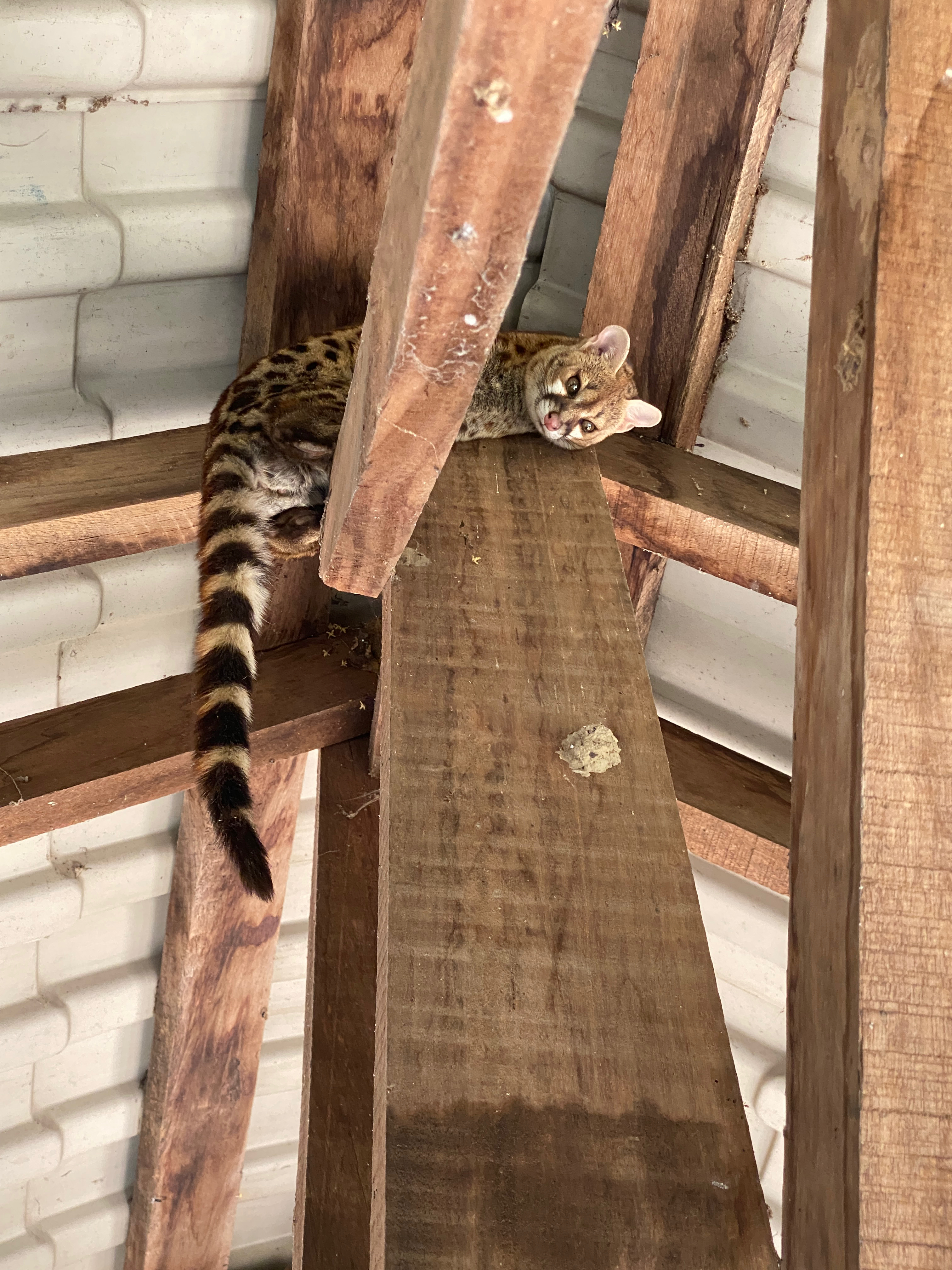
Genette
Genet Genetta sp. Least Concern
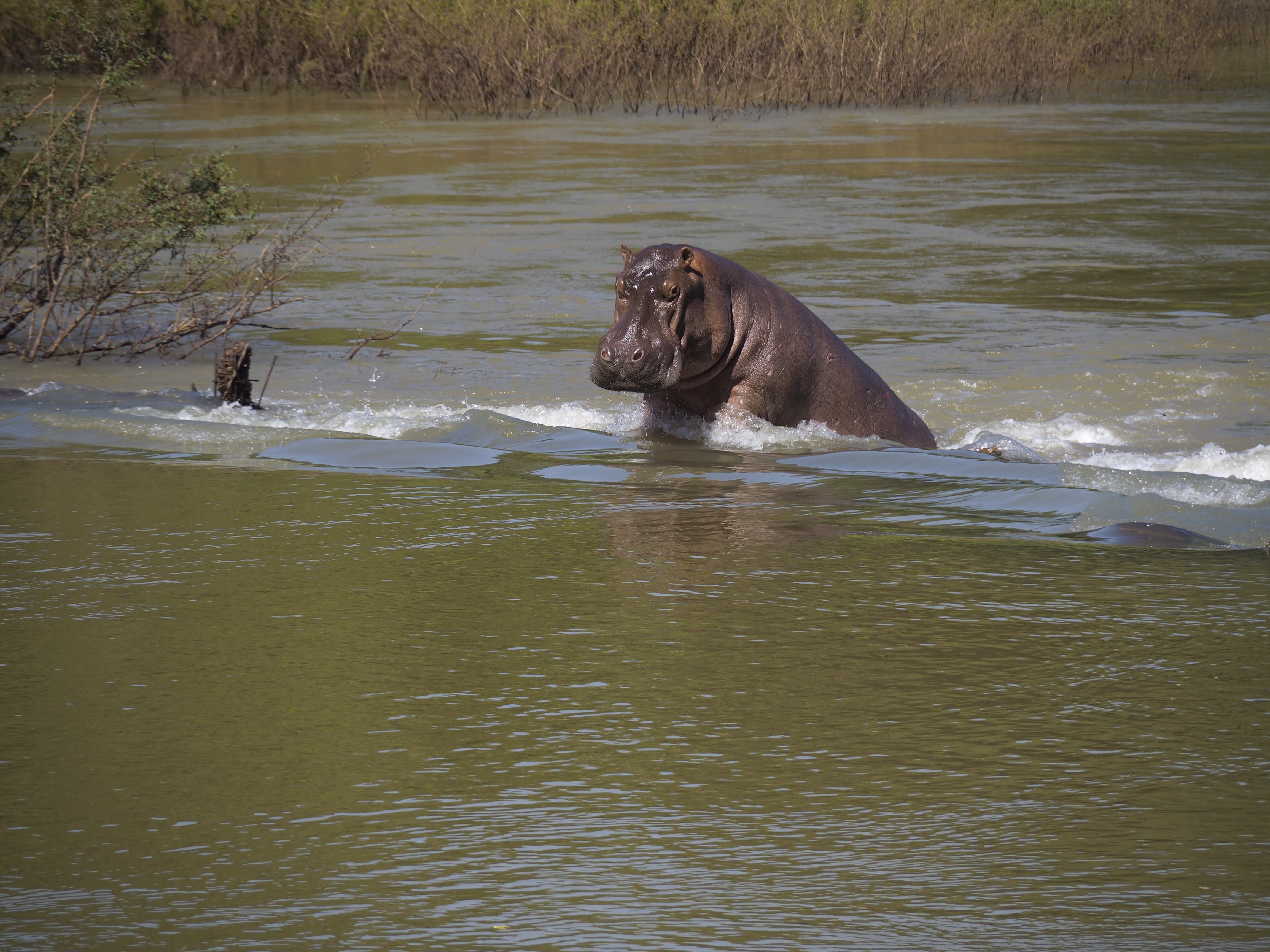
Hippopotamus
Hippopotamus Hippopotamus amphibius Vulnerable
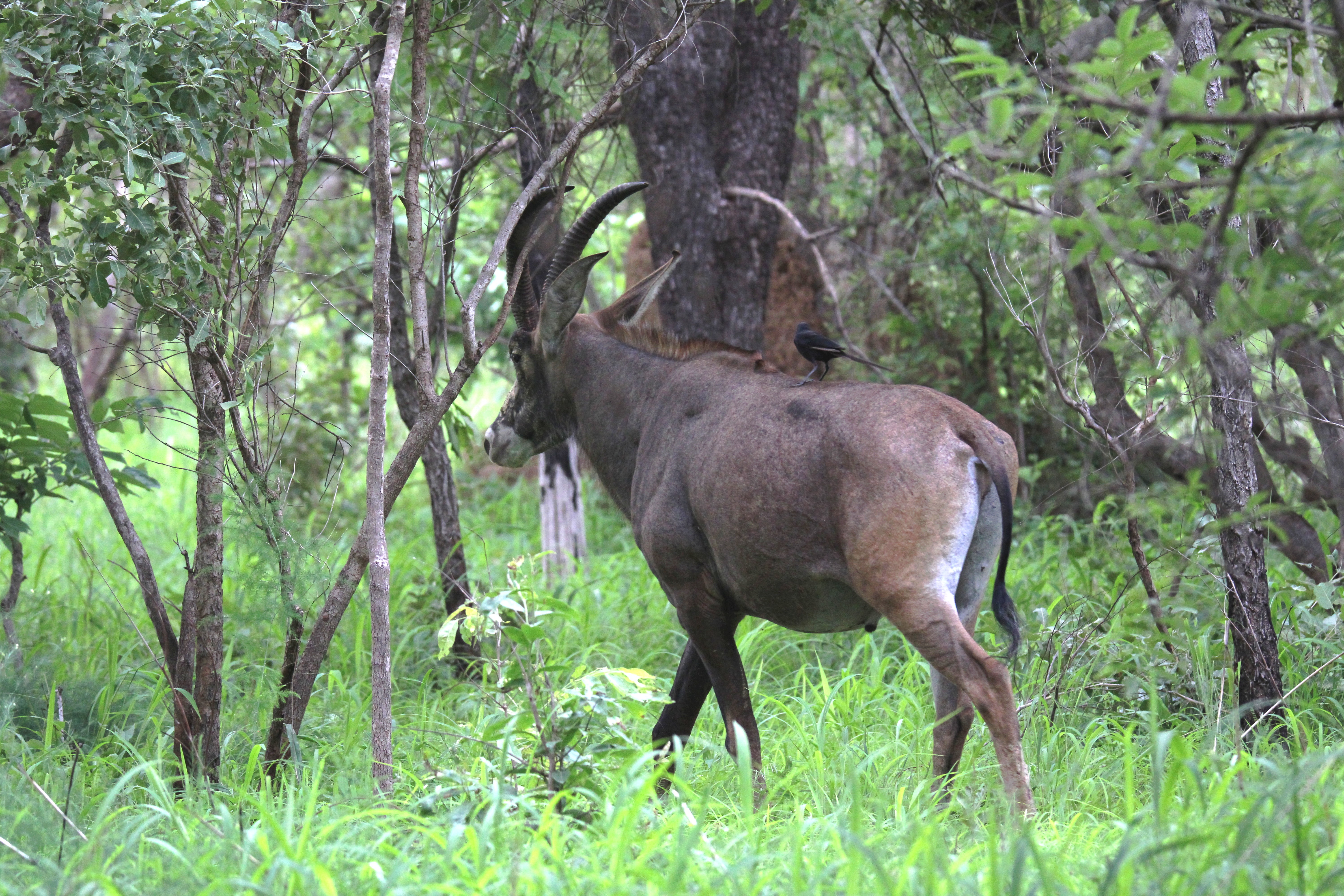
Roan antelope
Roan Antelope Hippotragus equinus Vulnerable
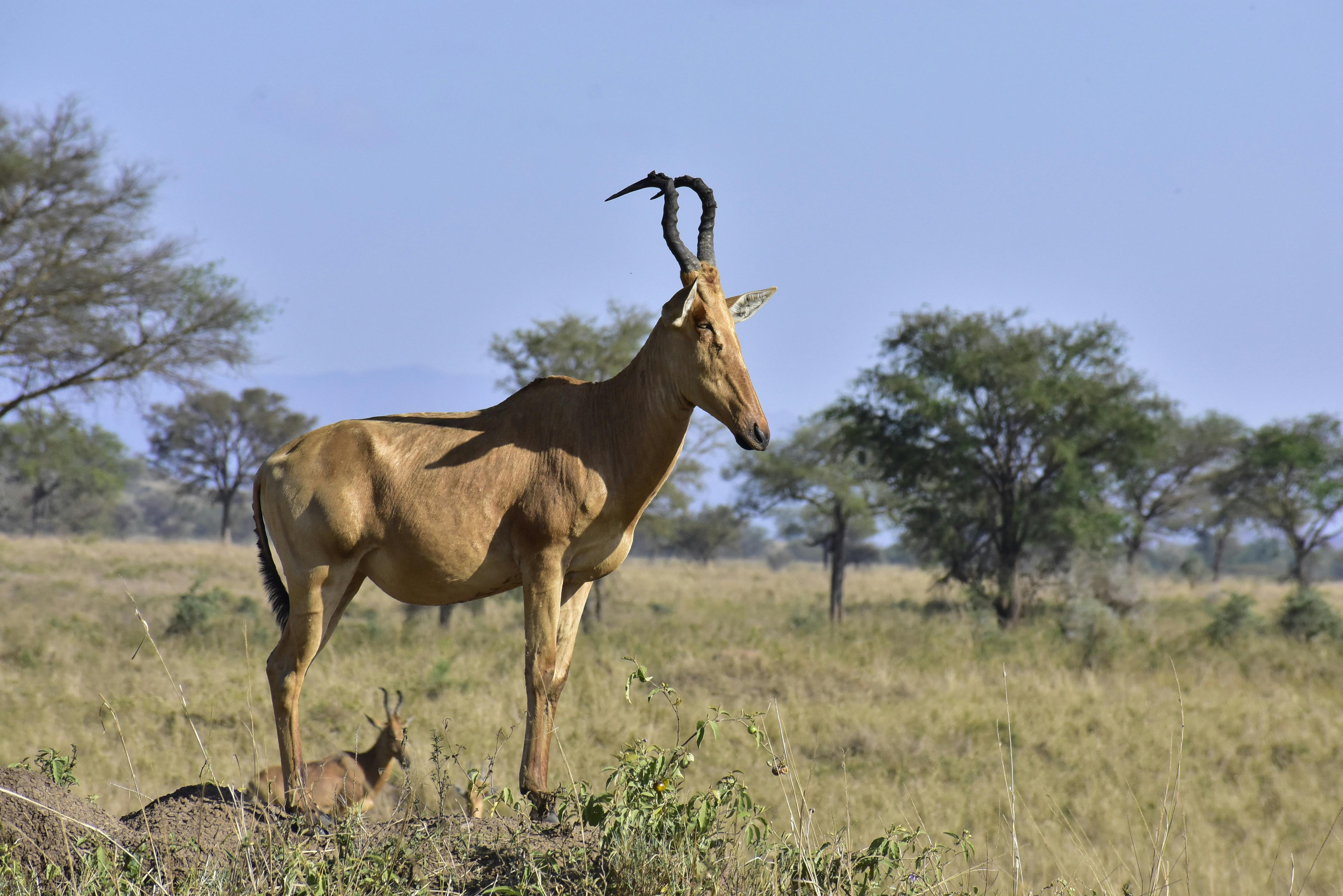
Korrigum
Korrigum Alcelaphus buselaphus major Vulnerable
Buffon's Kob
Buffon's Kob Kobus kob Least Concern
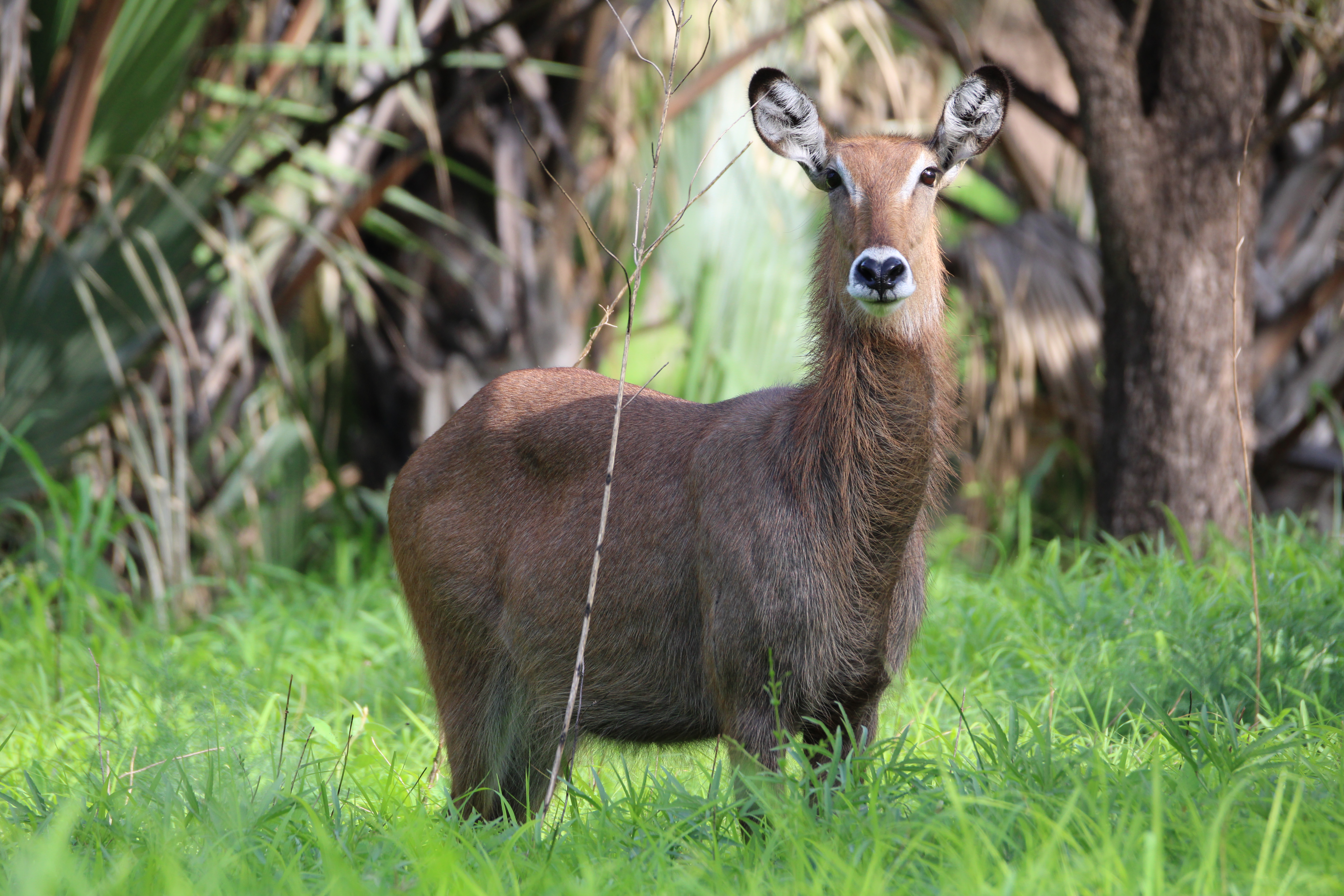
Defassa waterbuck
Defassa Waterbuck Kobus ellipsiprymnus Least Concern
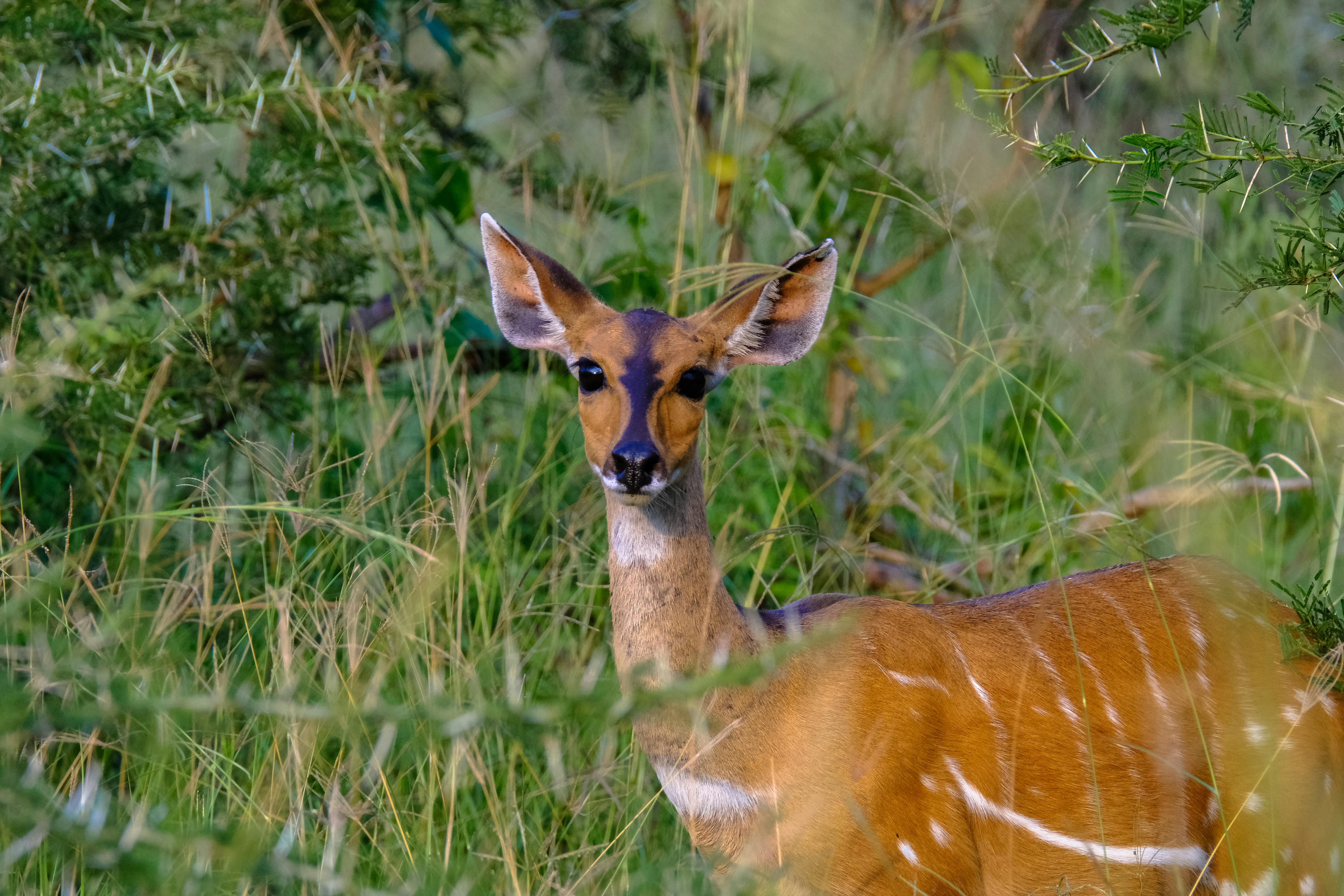
Bushbuck
Bushbuck Tragelaphus scriptus Least Concern
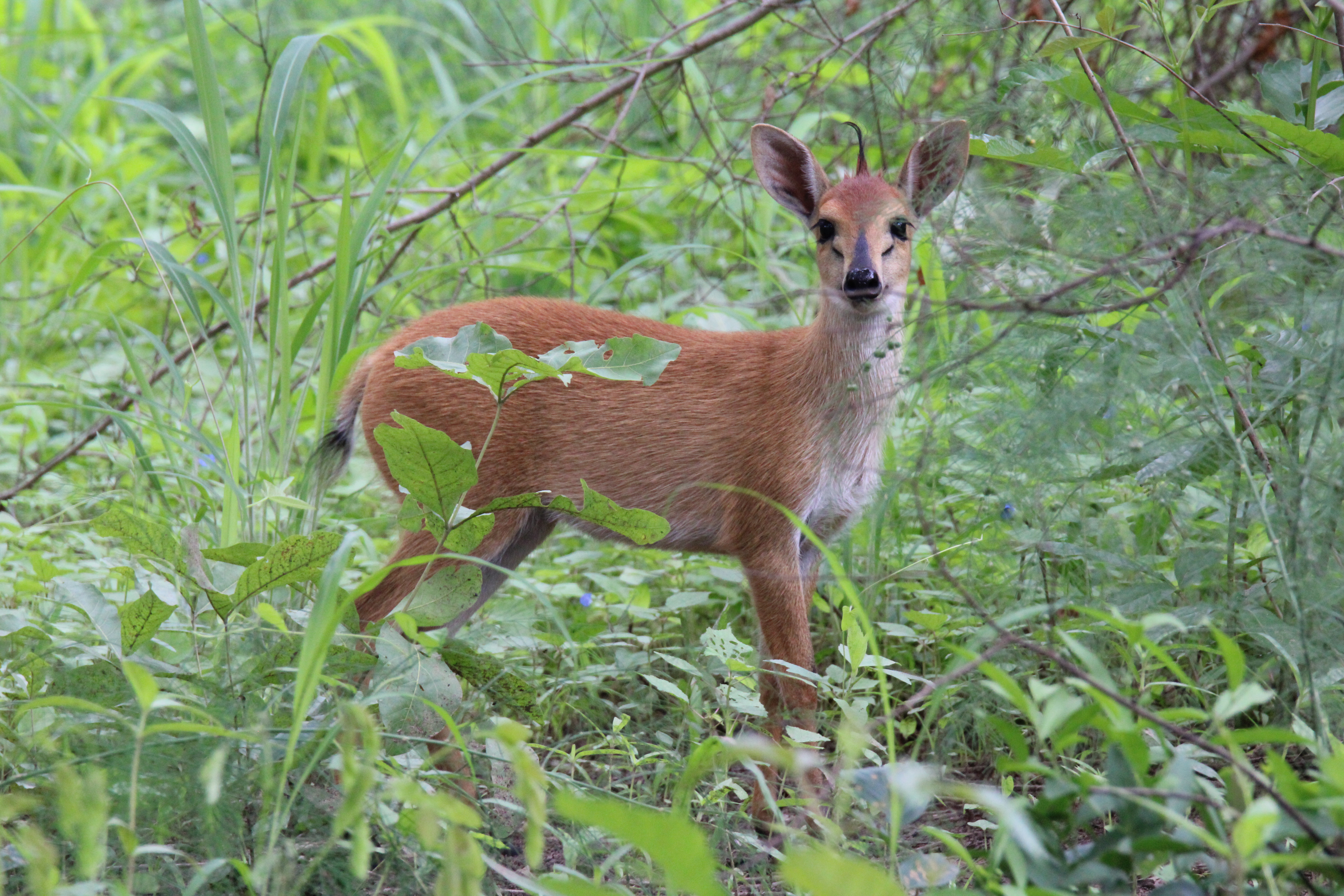
Common duiker
Common Duiker Sylvicapra grimmia Least Concern
Oribi Ourebia ourebi Least Concern
Warthog
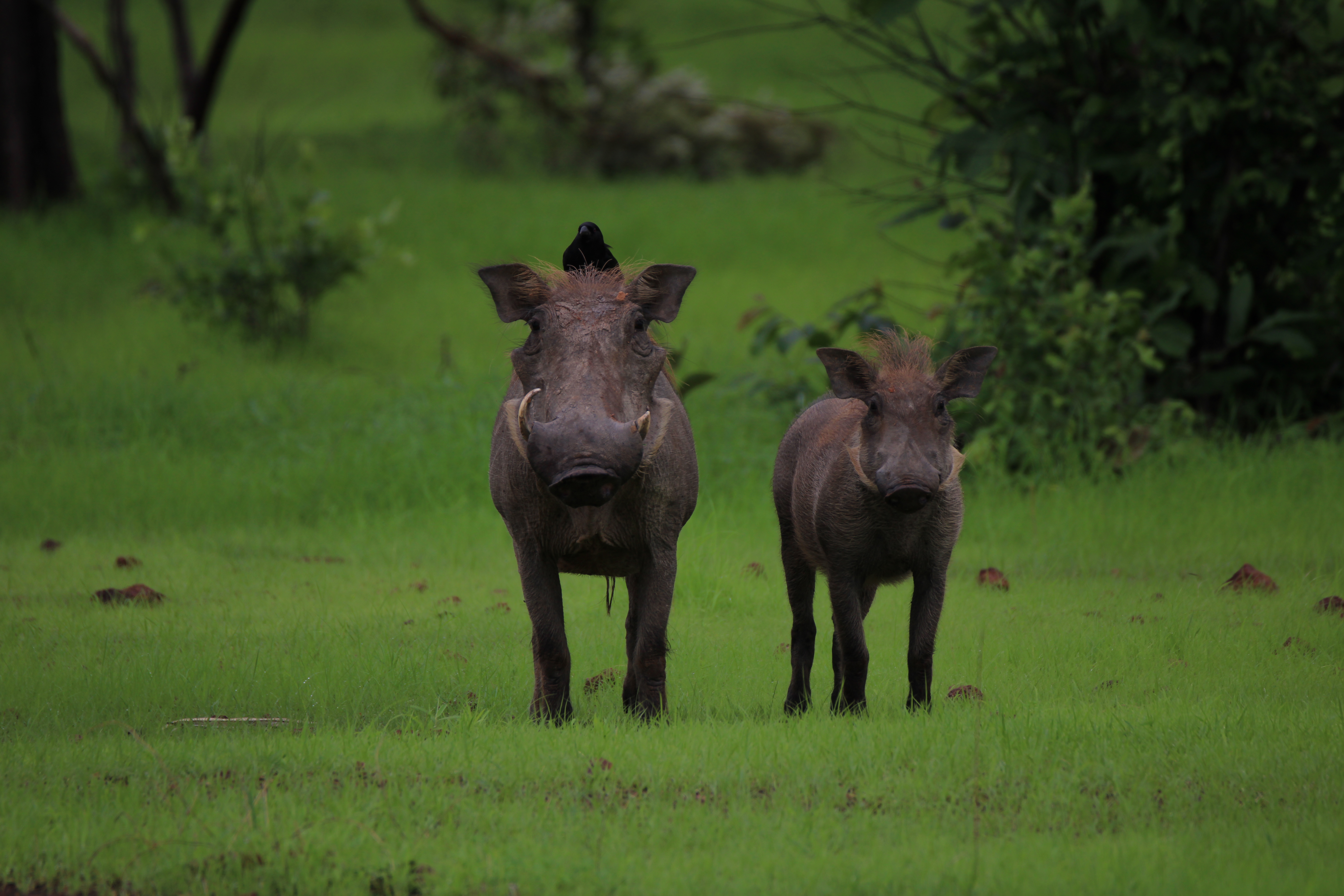
Warthog Phacochoerus africanus Least Concern
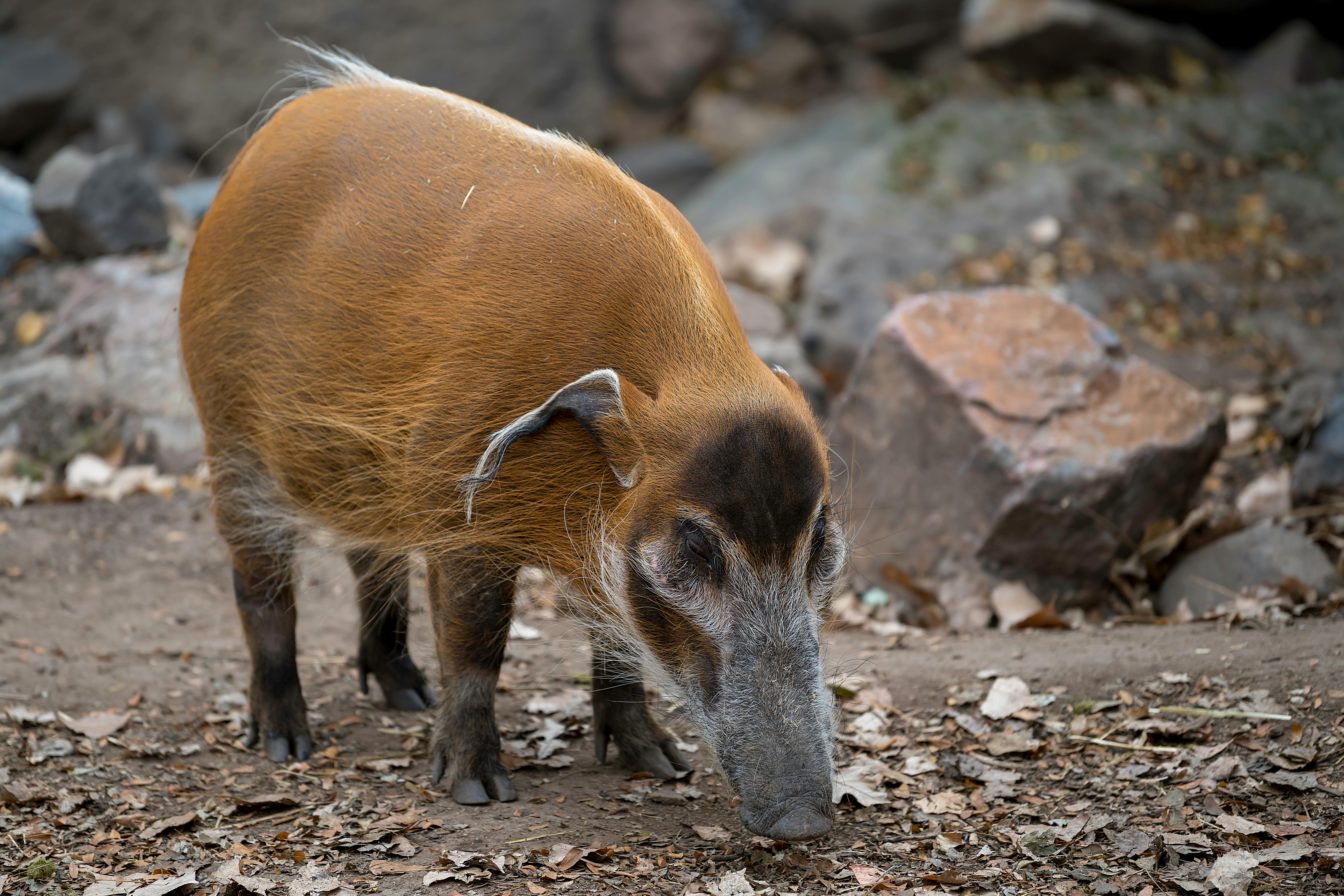
Red River Hog
Red River Hog Potamochoerus porcus Least Concern
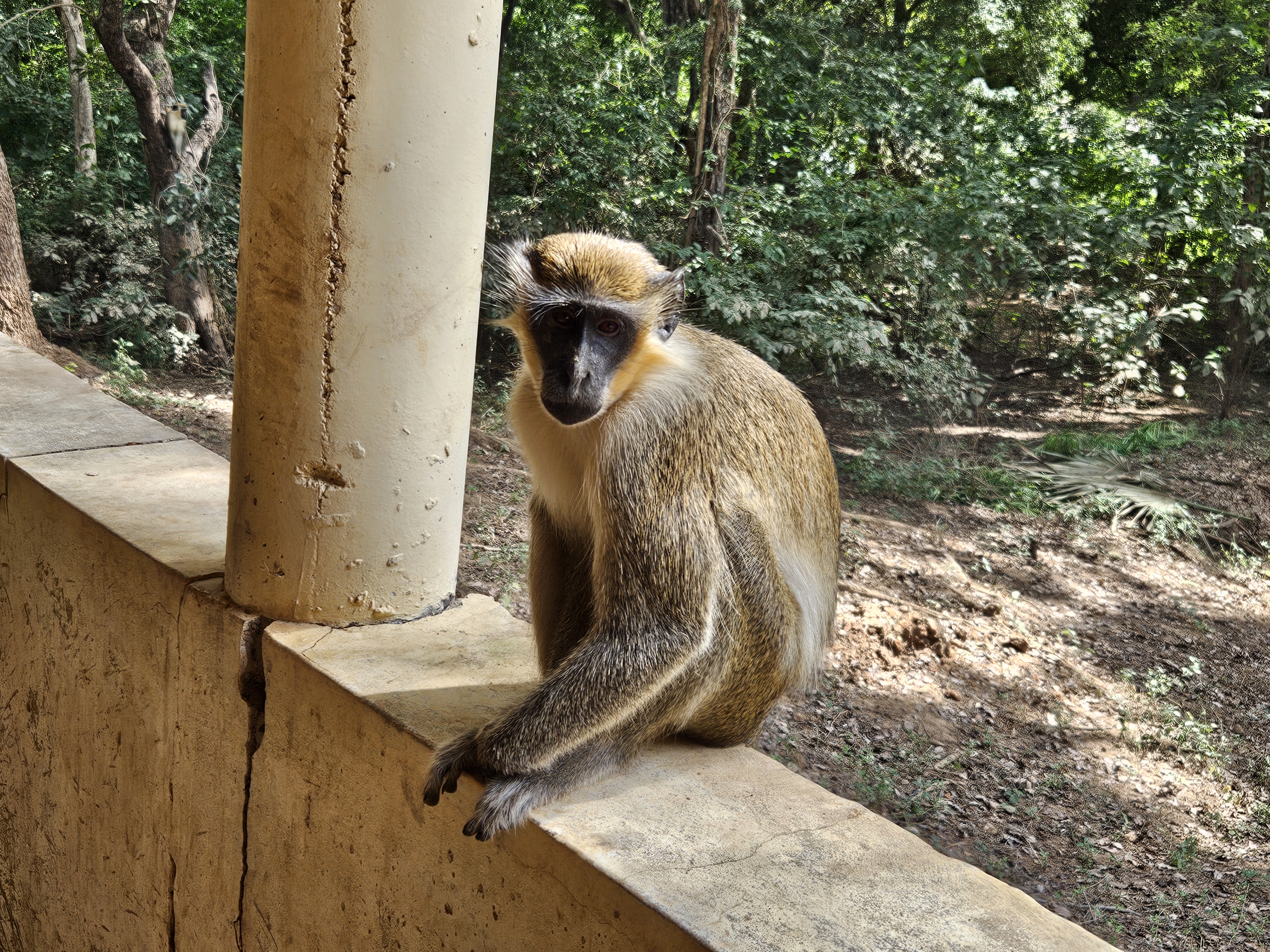
Green monkey
Green Monkey Chlorocebus sabaeus Least Concern
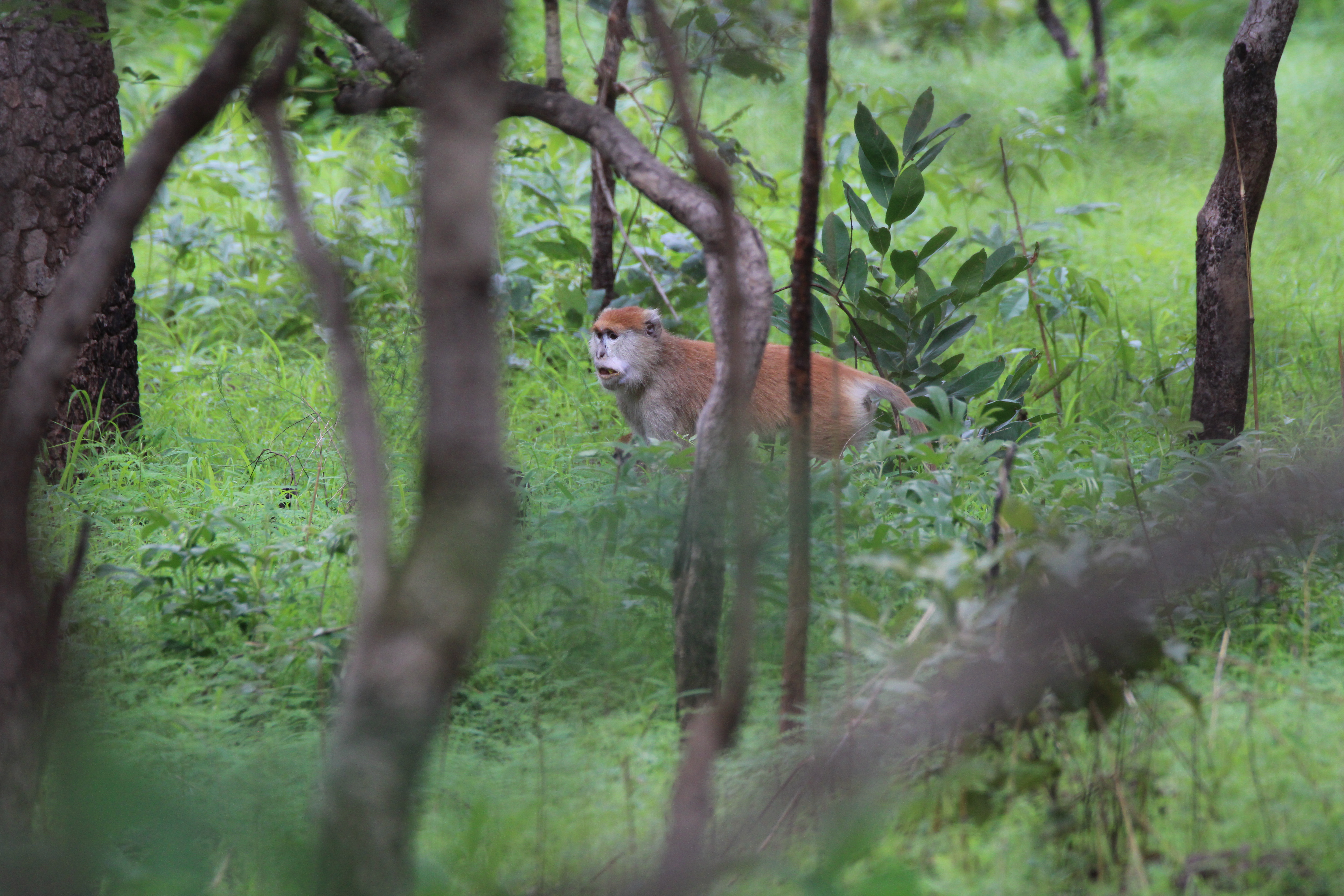
Patas monkey
Patas Monkey Erythrocebus patas Least Concern
Temminck's Red Colobus Piliocolobus badius temminckii Endangered
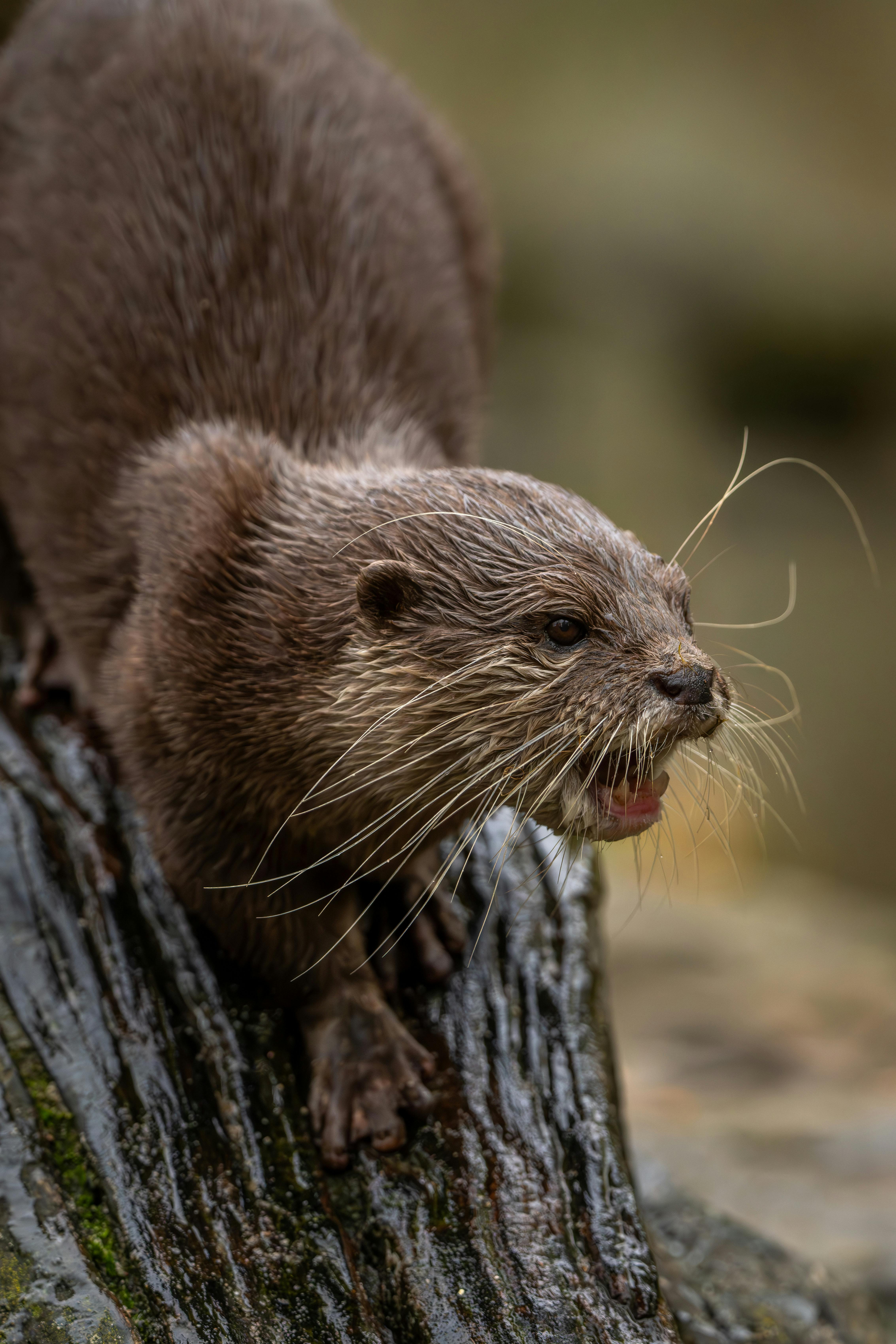
White-cheeked otter
White-cheeked Otter Aonyx capensis Near Threatened
Marsh mongoose
Marsh Mongoose Atilax paludinosus Least Concern
Banded mongoose
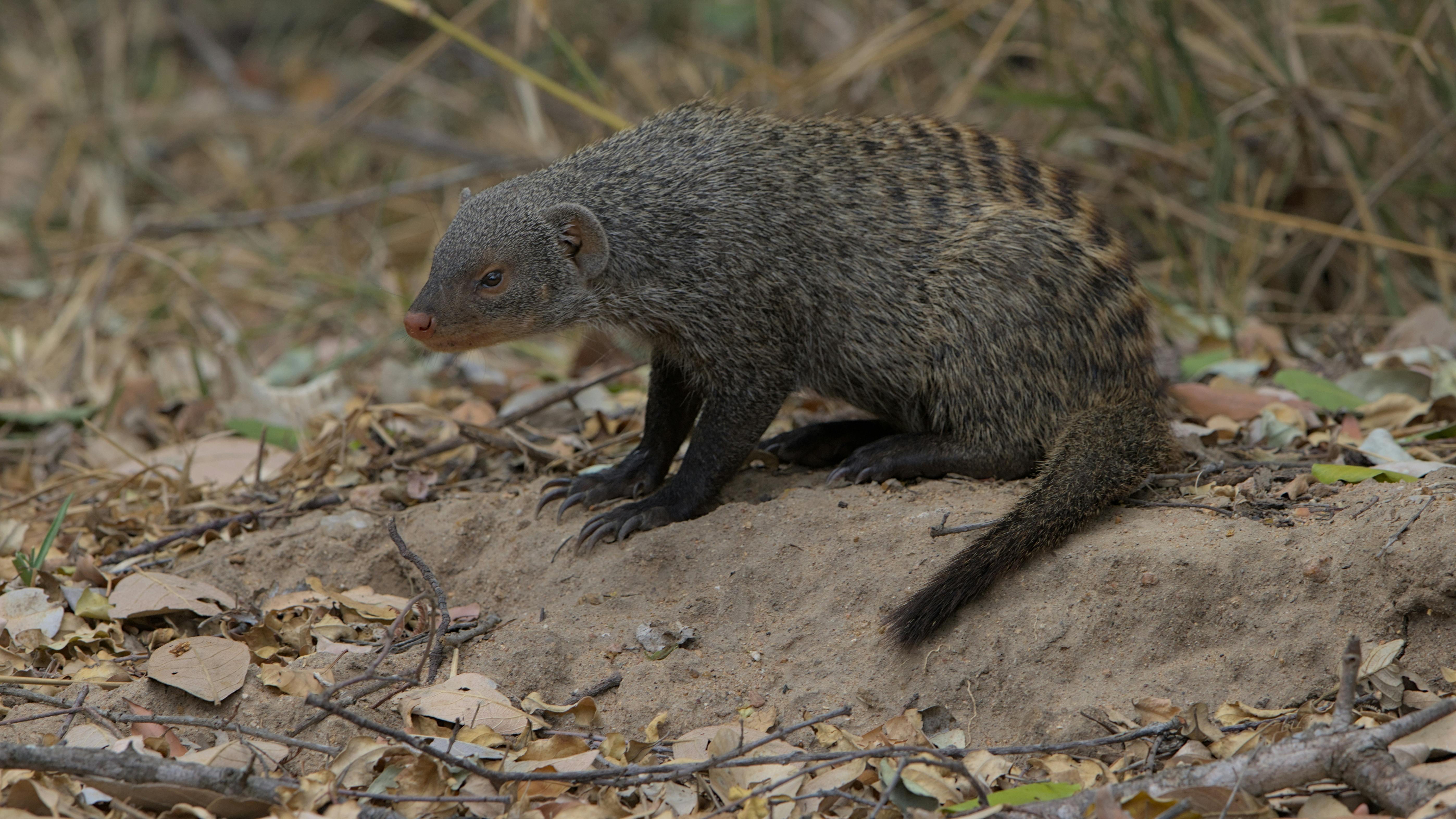
Banded Mongoose Mungos mungo Least Concern
Guinea Baboon Papio papio Near Threatened
Senegal Bushbaby Galago senegalensis Least Concern
Side-striped Jackal Canis adustus Least Concern
African Civet Civettictis civetta Least Concern
Egyptian Mongoose Herpestes ichneumon Least Concern
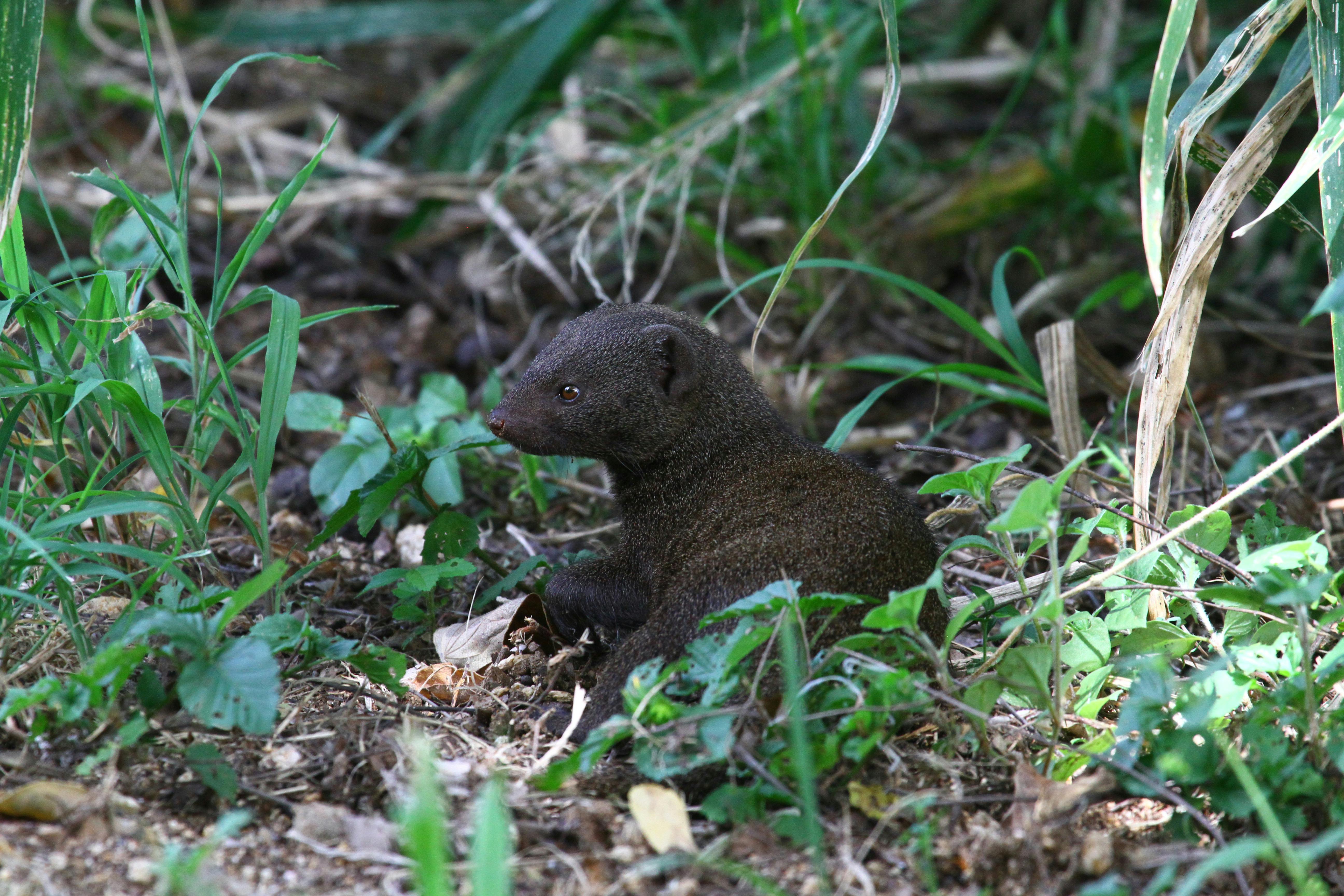
Slender Mongoose Herpestes sanguineus Least Concern
White-tailed Mongoose Ichneumia albicauda Least Concern
African Wildcat Felis lybica Least Concern
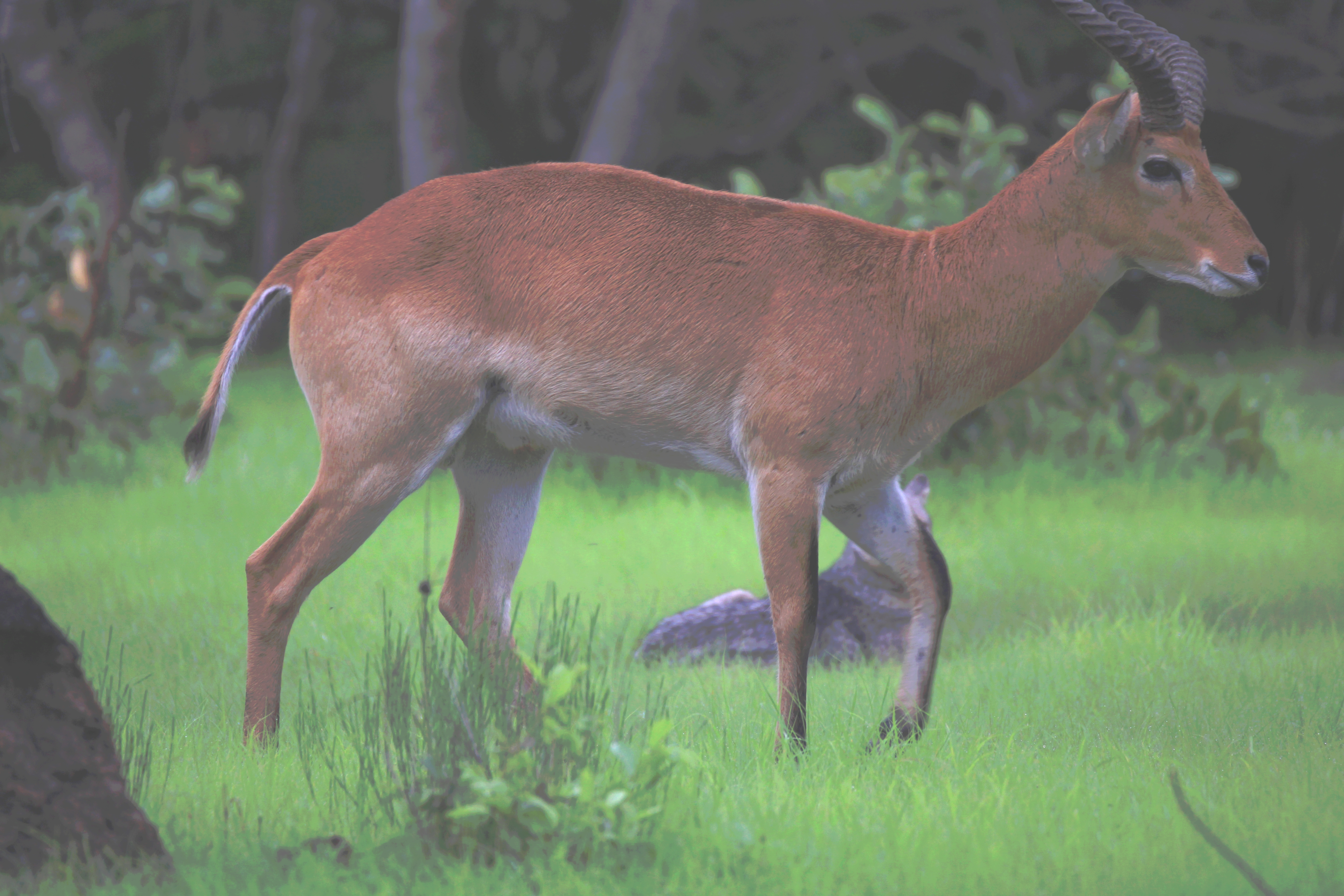
Reedbuck Redunca redunca Least Concern
Common Eland Taurotragus oryx Least Concern
Red-fronted Gazelle Eudorcas rufifrons Vulnerable
Red-flanked Duiker Cephalophus rufilatus Least Concern
African Hare Lepus whytei Least Concern
African Brush-tailed Porcupine Atherurus africanus Least Concern
Crested Porcupine Hystrix cristata Least Concern
Aardvark Orycteropus afer Least Concern

80+ mammal species recorded. Click each card for IUCN data and PNNK context.

Family Common name Scientific name
Loading…

Reptiles (36 species)

  • Nile Crocodile (Crocodylus niloticus)
  • Nile Monitor (Varanus niloticus)
  • Savanna Monitor (Varanus exanthematicus)
  • African Rock Python (Python sebae)
  • Common Chameleon (Chamaeleo chamaeleon)
  • African Spurred Tortoise (Centrochelys sulcata)

Amphibians (20 species)

  • Tree frogs (Hyperolius sp.)
  • Common African Toad (Bufo regularis)
  • African Bullfrog (Pyxicephalus adspersus)
  • Several species still poorly documented in the PNNK

Flora (1,500+ species)

  • Karité (Vitellaria paradoxa)
  • Néré (Parkia biglobosa)
  • Caïlcédrat (Khaya senegalensis)
  • Gallery forests along the Gambia River
  • Shrub and grassland savannas
  • Wetlands and floodplain meadows
Accommodation

Where to sleep in the park?

From rustic camps to luxury lodges, Niokolo-Koba offers several options for unforgettable nights in the heart of the savanna.

Campement du Lion Eco-camp

Campement du Lion

Managed by the local guides' association

The authentic choice par excellence. Rooms in traditional materials, ideal in the heat. Magical view over the Gambia River from the riverbank. Electricity, fans, meals included. Decent facilities. One of the most iconic stays in the park.

NiokoLodge Luxury Lodge

NiokoLodge

Safari chic on the Gambia River cliff

The park's premium option. Tastefully decorated South African safari tents, solar air conditioning, panoramic hides over the river. Perched on a cliff above the Gambia, the lodge offers total immersion in nature with full comfort. Full board included.

Hôtel de Simenti Classic

Hôtel de Simenti

A renovated Niokolo classic

Recently renovated, the Simenti Hotel offers air-conditioned rooms with river views. A middle ground between the authenticity of the camp and the luxury of the lodge. Restaurant on site. Less rustic but also less immersive.

Campement de Wassadou Outside park

Accommodation outside the park

Stops before/after the park

Ibrahima's Camp in Dar Salam, ideal if you arrive late (10,000 FCFA/night). Wassadou Camp 30–45 min from the park, on the Gambia riverbank with possible hippos and colobus. Fan-cooled rooms, a peaceful stop to break the journey.

Videos

Niokolo-Koba on video

A selection of videos to immerse you in the park's atmosphere.

Organisation

Contacts & Budgets

Useful contacts to organise your stay and budget examples to help you plan.

Contacts - Niokolo-Koba

NameRoleContact
Abdoulaye Kanté Head of guides - PNNK +221 77 176 49 77
Camara Niokolo-Koba guide +221 77 574 55 64
Fady Niokolo-Koba guide +221 77 500 02 87
Famara Niokolo-Koba guide +221 78 480 31 23
Kékouta Campement du Lion +221 77 611 51 87
Cheikh 4×4 rental - Tambacounda +221 78 114 84 24
NiokoLodge Luxury accommodation niokolodge.com
Françoise Restaurant - Tambacounda +221 77 456 19 31

Budget examples - 3 days / 4 people

Budget Éco

Economy car (10L/100km)

Transport (fuel + tolls)60 000
1 night at Ibrahima's40 000
2 nights Campement du Lion80 000
Meals (6×5k + 3×2.5k)105 000
Park entry (4 people)35 000
Vehicle fee10 000
Guide (2 days)20 000
Total / per person350 000 / 87 500 FCFA

Budget Confort

Large 4×4 (12L/100km)

Transport (fuel + tolls)72 000
1 night Wassadou100 000
2 nights NiokoLodge872 000
Park entry (4 people)35 000
Vehicle fee10 000
Guide (2 days)20 000
Total / per person1 109 000 / 277 250 FCFA

Indicative budgets, may vary by season and choices. We recommend 3 to 4 days minimum to maximise wildlife sightings.

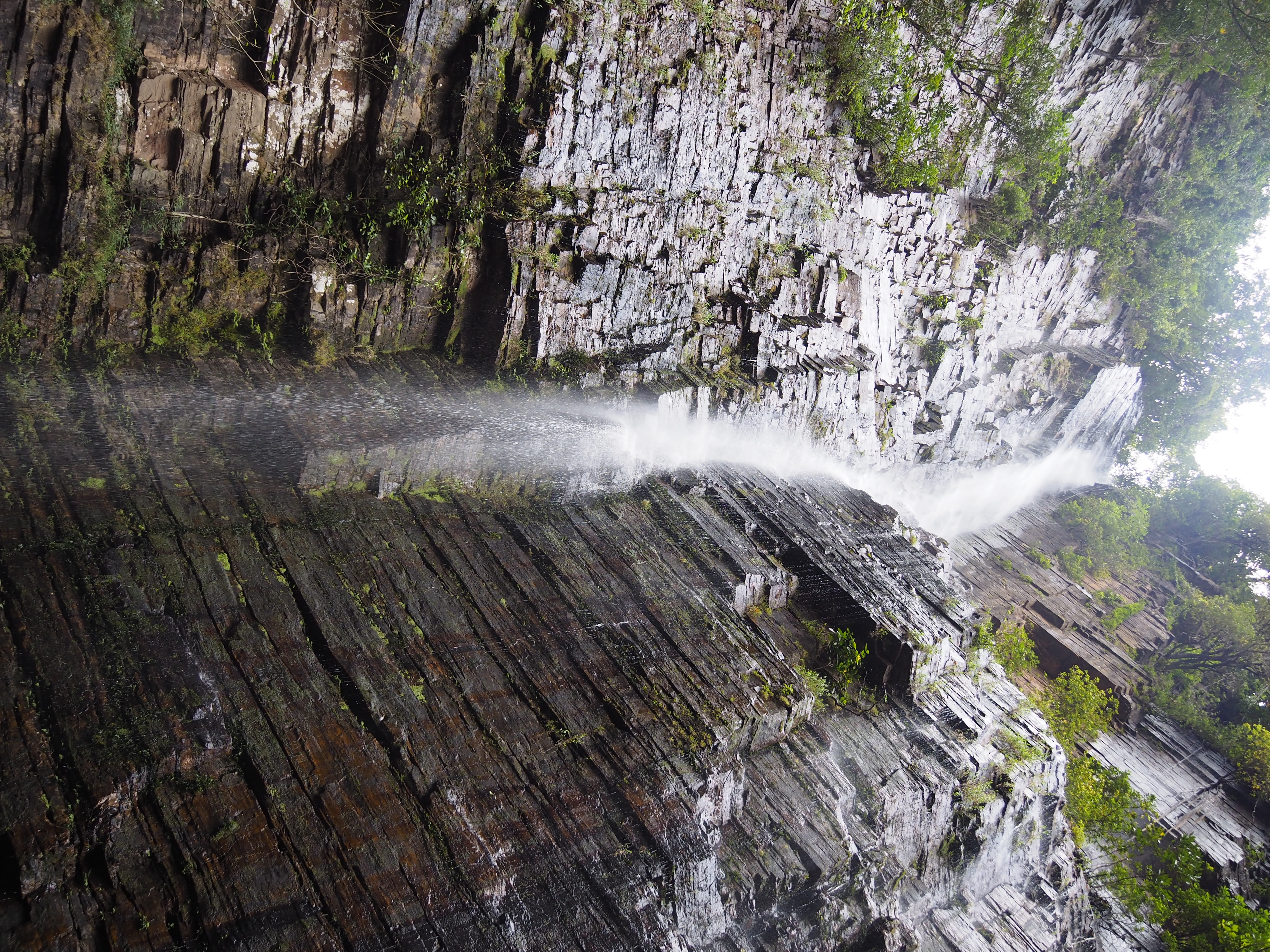
Dindéfélo Waterfall, Bassari Country
UNESCO Living Heritage

Bassari & Bedik Country

A few hours from the park, the mountains of south-eastern Senegal are home to peoples with thousand-year-old cultures. UNESCO-listed villages, wild waterfalls and total immersion in an unknown Senegal.

View gallery
Sample Itinerary

One Week in Eastern Senegal

A sample programme combining safari and cultural immersion - adaptable to your preferences.

Day Fri

Dakar Departure - Coastal Break

Late afternoon departure towards Toubab Dialaw for a coastal break. Evening by the sea in a peaceful atmosphere, night at Georges' place.

Day Sat

Road to the Park - Arriving at Wassadou

Long drive to Niokolo-Koba (7h30). If time permits, a walk by the Gambia River at the end of the afternoon. Night at Wassadou camp, quiet and surrounded by nature.

Day Sun

Immersion in Niokolo-Koba

Early morning entry into the park with a DPN-accredited guide. Track safari in search of large mammals. Night at Campement du Lion, deep in the bush on the riverbank.

Day Mon

Safari chic or Bassari departure

Morning of wildlife watching or rest at NiokoLodge: pool, hides, breakfast with a view. Some of the group return to Dakar, others head to Salemata (3h drive). Night at Campement Peluun.

Days Tue→

Culture & Waterfalls - Bassari & Bedik Country

The following days: visit Ethiolo with its traditional huts, hike to Ingili, Afia or Kafori waterfalls, explore the Dindéfélo plateaus, night with local families (Chez Balingo, Tako Mayo...). Each day is a different adventure between nature and culture.

Bassari & Bedik Country

Local Contacts

Guides and accommodation to extend the adventure in UNESCO-listed cultural villages.

NameRoleContact
Blaise Bassari guide +221 77 146 85 12 / +221 78 780 55 89
Marc Keita Bedik guide +221 77 212 25 06
Ibrahima Bedik guide
Campement Chez Balingo Local accommodation +221 77 146 81 39
Campement Le Peluun Local accommodation
Campement Chez Léontine Local accommodation
Tako Mayo Camp